The Best Guide To Life-saving drinking water disinfectants have a “dark side


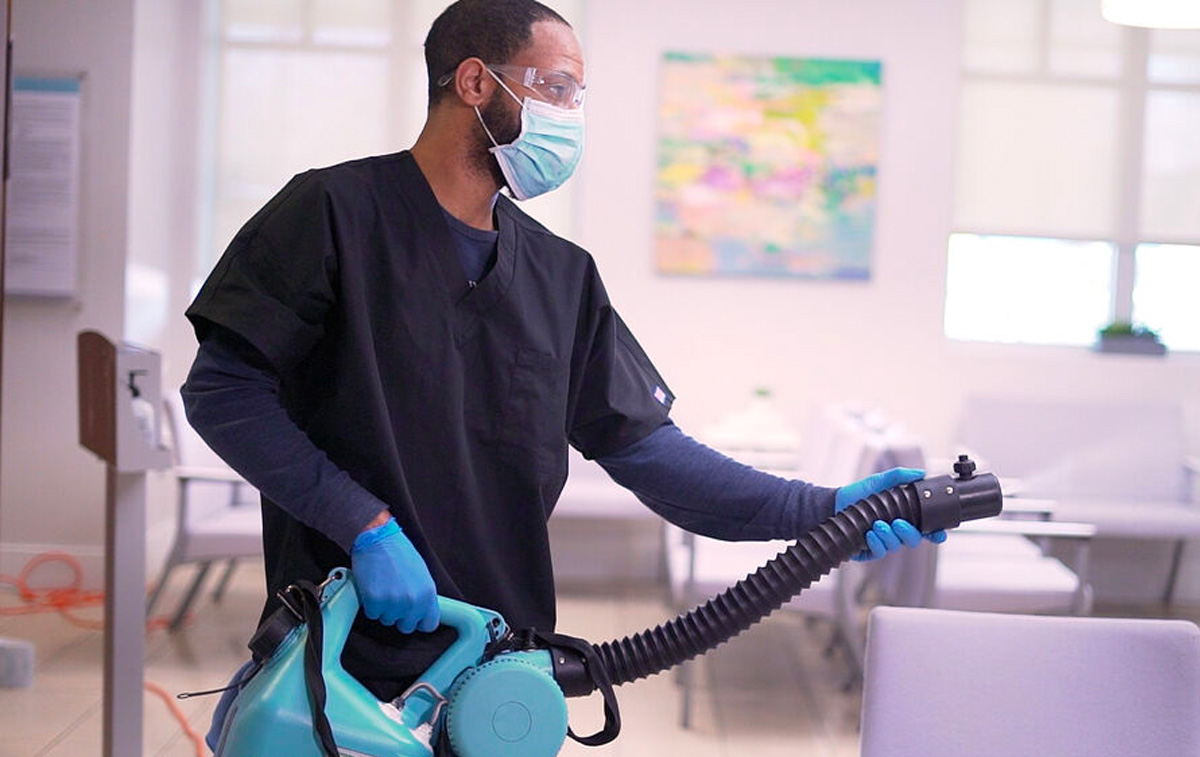
How do I disinfect my house during the coronavirus (COVID-19) pandemic? - MD Anderson Cancer Center

Coronavirus Disinfection Buffalo NY - COVID-19 Disinfecting Service 🦠
Rumored Buzz on Disinfection - an overview - ScienceDirect Topics

2. 1. Related Source Here , Chlorine is a greenish-yellow gas. By offering high pressure, the gas becomes liquid. It is harmful. Chlorine gas is primarily utilized as a water disinfectant. Introducing chlorine to water plays an extremely efficient role for eliminating practically all pathogenic microorganisms. It can be utilized both as a main and a secondary disinfectant.
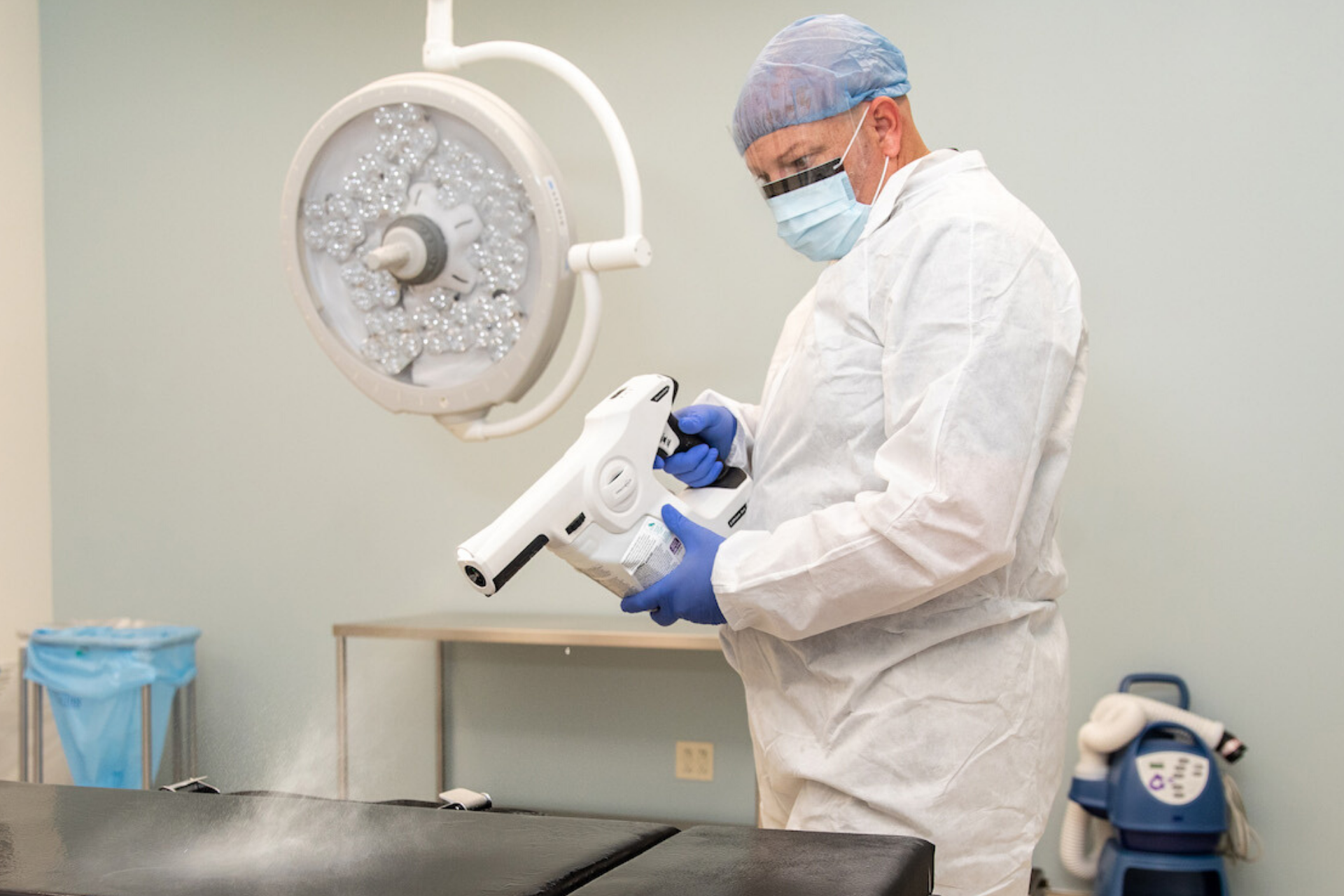
Cleaning and Disinfectant Chemical Exposures and Temporal Associations with COVID-19 — National Poison Data System, United States, January 1, 2020–March 31, 2020 - MMWR
It is lethal at concentrations as low as 0. 1% air by volume [1] 2.1. 1. Advantages, Chlorination is a more affordable source than UV or ozone disinfection methods utilized to treat water. It is extremely effective against a large range of pathogenic microorganisms. Dosing rates are controlled easily as they are versatile.
They can be even more utilized to assess the effectiveness [2] 2.1. 2. Limitations, Although chlorine gas is utilized in large-scale water circulation treatment plants and networks as a best method for dealing with water, still it have different limitations. These constraints may impact the applicability to a point of use (POU) treatment system.
Some Known Details About Four steps to effective cleaning and disinfecting - National Hog
Relating to esthetic level, chlorination might be rejected as it imparts bad tastes and smells to the water. The industrialized nations might teach their people about the good effects of chlorination; nevertheless, less-developed nations lack this ability. Limitations in using chlorine gas in a home context may include the distribution, procurement/manufacturing, dosing of chlorine, and accurate handling.
An excellent concern might be the by-products and incompletely oxidized substances present in chlorinated water that increases its toxicity. The most notorious by-products of chlorination are chloro-organics and trihalomethane (THMs). Humic and fulvic acids are present in the water. When chlorine responds with these acids, trihalomethane are formed. It has been recognized in lots of studies that a few of these chloro-organics are mutagens, toxins, or carcinogens.
Some guidelines have actually been set by USEPA (United States Epa) that THMs ought to not be greater than 0. 10 mg/l. The high concentrations of THMs will result in health complications [1] 2.1. 3. Process, Chlorine easily combines with all the water components, i. e., chemicals, small animals, microorganisms, plant product, odors, colors, and tastes.
The Ultimate Guide To Life-saving drinking water disinfectants have a “dark side
Residual (free) chlorine is called as the one that does not combine with other water elements. The point at which complimentary chlorine is readily available for constant disinfection is called as the breakpoint. The system at which complimentary chlorine is supplied at a concentration of 0. 30. 5 mg/l is an ideal system.